


Find YOUR path
How ASCENT helps with planning
At the individual, trail, organization, and regional level
Individual Planning? Helps meet health goals using our research-based Progressive Access framework. Read more.
Regional Planning? Helps park managers and funders prioritize trail & other improvements to increase access. Read more.
Trail Planning? Quickly evaluate a trail for features that might be readily improved to increase access. Read more.
Combine with other surveys to capture information about trails and supporting facilities for a more comprehensive plan, Read more.
Organization Planning? Quickly find trails that those with disabilities can use right away or with simple improvements Read more.
Consider a more comprehensive strategy including more detailed wayfinding and maps, Read more.
Don't forget to check out the Overview of the ASCENT Rating System here.
Help individuals with disabilities plan walks that build their fitness, skill, and confidence
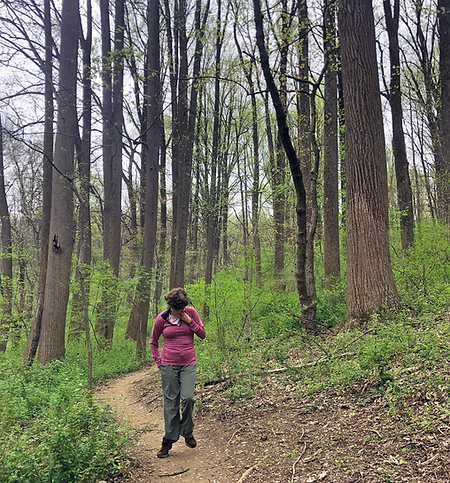
By setting goals and working gradually towards them, Margot can become more comfortable on more trails, increasing access to special places
Ratings can guide the development of goals supporting individualized and incremental improvement for people with disabilities
-
Goals related to Fitness (Get Moving and Get Fit) requires choosing paths that are longer and/or have more challenging Combined Running Grades but with Stress rated A.
-
Building Capacity and Confidence requires choosing trails with increasing levels of Trail Stress (from A to B to C to D) in specific features of interest.
-
Thresholds for increasing levels of Trail Stress are selected to help people with disabilities take their first steps on natural trails, and increase their potential to reach goals related to Happiness (e.g., Quality of Life).
Effort and Stress ratings can help people with disabilities build their capacity for successful walks on my challenging trails all year round , when considered together within our research-based Progressive Access framework that considers how...
-
People have different levels of fitness, skills and confidence, depending on their disabilities.
-
Disability is not immutable: fitness, skills, and confidence grows with the right kind of experience.
-
To build the skills and confidence through the use of research-based teaching strategies and accommodations, and by considering supports and daily conditions.
Read more about our Progressive Access framework here
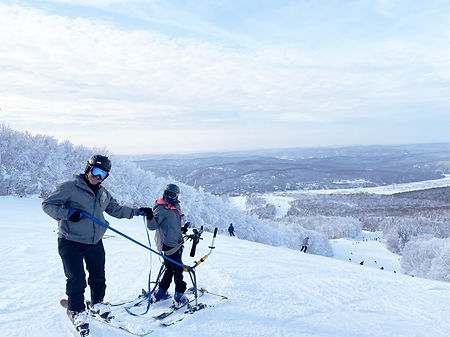

Progressive Access can help people with disabilities begin to meet recommendations by the US Department of Health for weekly physical activity (e.g., at least 150 minutes/week of moderate to vigorous activity) by...
-
Helping identify those paths and trails that are long enough to gradually build fitness, to become comfortable with a 60-75 minute walk, and
-
Together with ASCENT, helping to identify those natural trails that build new skills and confidence on more challenging trails that might be more interesting and readily accessible
-
This helps to confidently create a weekly routine of regular walks rto meet health goals.
Identify improvements to an individual trail

Two dips in the River Trail in Brandywine Meadows like this one probably help drain the trail. This creates a softer surface after a rain, and running grades some might find uncomfortable. These might just need a short section with a culvert and leveled with gravel.
Quickly identify features of an individual trail that might be readily improved.
-
A trail manager trained to use ASCENT can use it as part of a periodic review to quickly find sections that might be easily improved.
-
Similarly, an individual scouting for trails that a person with a disability might use can use ASCENT to proved feedback to a trail manager.
-
In the example to the left, these dips plus two short sections of Hard to Very Hard running grades are all that might bar a user from a quiet 3alk alongside the Brandywine.
Conduct a more comprehensive assessment of potential trail improvements. Some trails might not merit a Very Easy rating because of short and/or isolated sections that barely exceed UA Standards. ASCENT can help to identify those sections that might be quickly addressed to be more comfortable for more users
-
Some obstacles that are 2-3" high or 1-2" high but separated by less than 48" might be easily removed
-
A mowed meadow path might be re-routed to avoid running or cross-grades that exceed standards
-
A culvert or short section of turnpike could eliminate a section often soft because of drainage problems

The western section of Cheslen's Purple Loop is a Very Easy trail that many people with disabilities might comfortably use now.
Help an organization plan trail improvements across their network

The western section of Cheslen's Purple Loop is a Very Easy trail that many people with disabilities might comfortably use now.
Quickly identify Very Easy Trails that people with disabilities can begin to use immediately. Some trails might already merit a rating of Very Easy without any improvements.
-
Helping identify those paths and trails that are long enough to gradually build fitness, to become comfortable with a 60-75 minute walk, and
-
Together with ASCENT, helping to identify those natural trails that build new skills and confidence on more challenging trails that might be more interesting and readily accessible
-
This helps to confidently create a weekly routine of regular walks rto meet health goals.
Quickly screen trails to identify those that need only simple improvements. Some trails might not merit a Very Easy rating because of short and/or isolated sections that barely exceed UA Standards. ASCENT can help to identify those sections that might be quickly addressed to be more comfortable for more users
-
Some obstacles that are 2-3" high or 1-2" high but separated by less than 48" might be easily removed
-
A mowed meadow path might be re-routed to avoid running or cross-grades that exceed standards
-
A culvert or short section of turnpike could eliminate a section often soft because of drainage problems
The western section of Cheslen's Purple Loop is a Very Easy trail that many people with disabilities might comfortably use now.
Map sections that exceed standards to help users plan a walk. When a trail might not be easily improved, ASCENT can still help by identifying options for users. By looking at a map (of Goddard Park to the left, for example), a user might decide...
-
That today is the day to try extending their skills and endurance on a trail they know to be more difficult for them (like the more difficult Obstacles here)
-
To choose a different route that avoids these more difficult sections altogether but that still gives them a walk still worth doing

Guide regional improvements to increase access for people with disabilities
ASCENT offers a low cost way to significantly increase the number of miles of trails that can be used by people with disabilities to improve their health and quality of life
-
It can help park managers to identify trails they might already have or could easily improve to increase access for those with mobility challenges
-
It can help regional leaders set priorities to close gaps in access to nature at a reasonable cost
-
This is especially important for people with disabilities and other conditions that limit their mobility, a population often underserved by our parks and at high risk for related health problems

When we map access to paths that support regular walks for fitness, we discover gaps that increasing the useability of natural trails can help to close
Supplement ASCENT with other surveys providing information about other features & supporting facilities
ASCENT offers a low cost way to significantly increase the number of miles of trails that can be used by people with disabilities to improve their health and quality of life
-
It can help park managers to identify trails they might already have or could easily improve to increase access for those with mobility challenges
-
It can help regional leaders set priorities to close gaps in access to nature at a reasonable cost
-
This is especially important for people with disabilities and other conditions that limit their mobility, a population often underserved by our parks and at high risk for related health problems
When we map access to paths that support regular walks for fitness, we discover gaps that increasing the useability of natural trails can help to close
Develop a more comprehensive strategy to increase access for users with disabilities
ASCENT offers a low cost way to significantly increase the number of miles of trails that can be used by people with disabilities to improve their health and quality of life
-
It can help park managers to identify trails they might already have or could easily improve to increase access for those with mobility challenges
-
It can help regional leaders set priorities to close gaps in access to nature at a reasonable cost
-
This is especially important for people with disabilities and other conditions that limit their mobility, a population often underserved by our parks and at high risk for related health problems
When we map access to paths that support regular walks for fitness, we discover gaps that increasing the useability of natural trails can help to close